Create a concept for a game city.
To do this:
a) answer the 11 fundamental questions that define almost all game cities (as presented in session 1).
b) give your city a name; even an obviously temporary one will do.
c) write a short paragraph (up to 100 words) describing it.
Can you come up with a very rough sketch of your city too?
Deliverables: City name, descriptive paragraph, answers to the 11 questions, optional sketch.
(The sketch can be anything from a photograph of a drawing to a mock-up using ASCII characters. It can be a .png or a .jpg.)
Deadline: March 9
I’m taking a older project and doing another iteration to observe how this city concept will alter after those questions. The original proposed idea is that this city is a lunar base of some kind of planet, far from earth, where a mining exploration team was doing their common work until they receive a distress signal from a nearby cave. They where the only known team on that planet.
-
Where is the city?
- Some planet rich on some fantasy mineral that for now we know that has some glowing property, because it looks nice.
- I expect this planet to have a very rough terrain. With a terrain similar to what was presented on Ouro Preto, Minas Gerais.
-
When is the city?
- On the future FAR FUTURE.
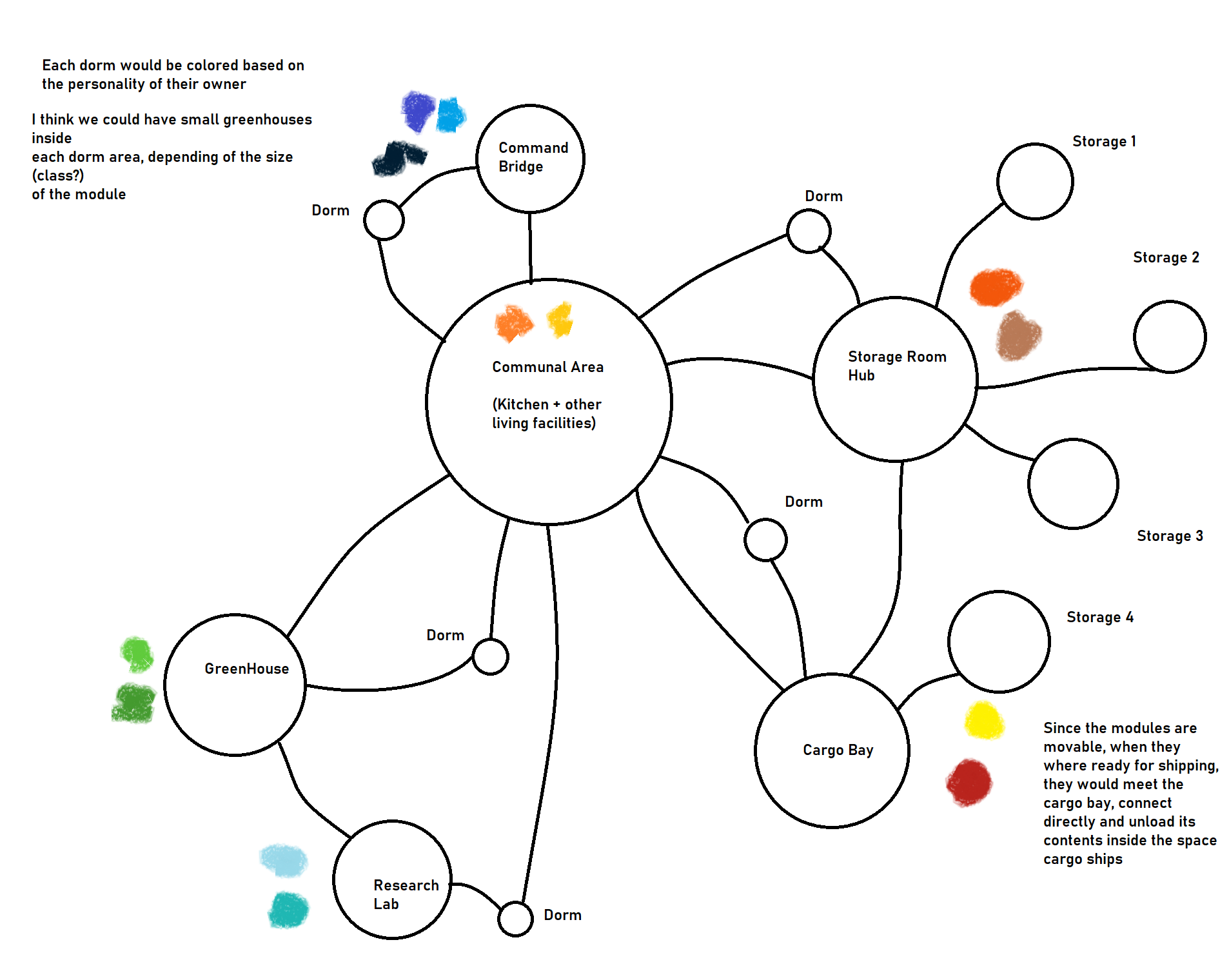
- So far on the future that this is a walking city, the city is formed by a some modules that are auto sustainable and that can move on the surface of the planet.
- I imagine that depending of what is found on the distress signal we are presenting other civilization, contrasting from the explorers, but I want to focus on the main city buildings.
-
Why was the city founded?
- Its a mining walking city. Each module should be responsible for one of the steps of the mining process.
-
How Big is the city?
- I imagine being the size of a small village, high technological apparatus with many robots that help the city work in many ways, but not gigantic and static.
-
Where do people live and work?
- People will live on a module that is shared and communal, but they work on their individual modules depending of the function they perform on the settlement
-
How do people and things move around?
- That’s something that is kind nebulous to me. The original inspirations would be larger corridors where people would be moving inside with escalators and elevators… but since each module can be placed in different position, and I feel that would be impractical and wasteful to terraform and then settle a temporary city…
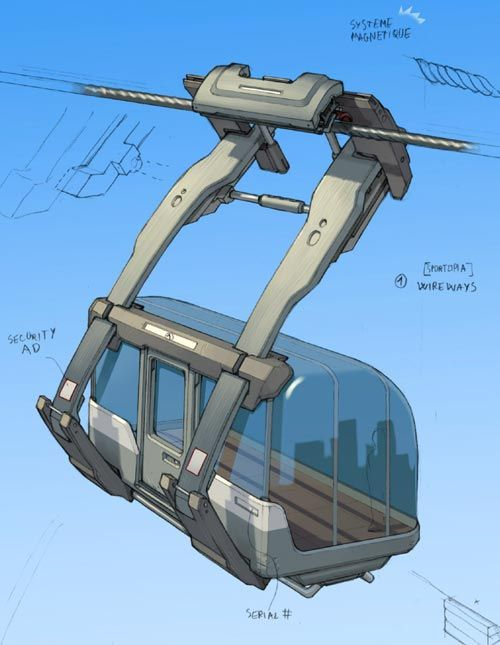
- My final decision is to use a monorail system that is connected by cables, meaning that each module would be connected with others like a gigantic spider web.
-
What is the city’s structure?
-
What’s the architecture like?
- A relevant aspect is that I decided that each module of the city is a gigantic spider something similar, but on smaller scale than the Walking City proposed by Ron Herron in 1964.
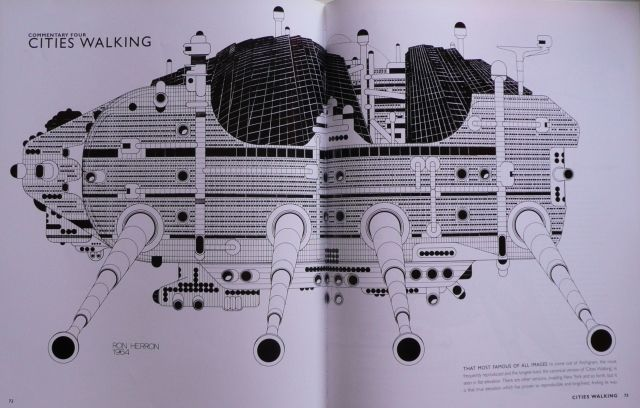
- A relevant aspect is that I decided that each module of the city is a gigantic spider something similar, but on smaller scale than the Walking City proposed by Ron Herron in 1964.
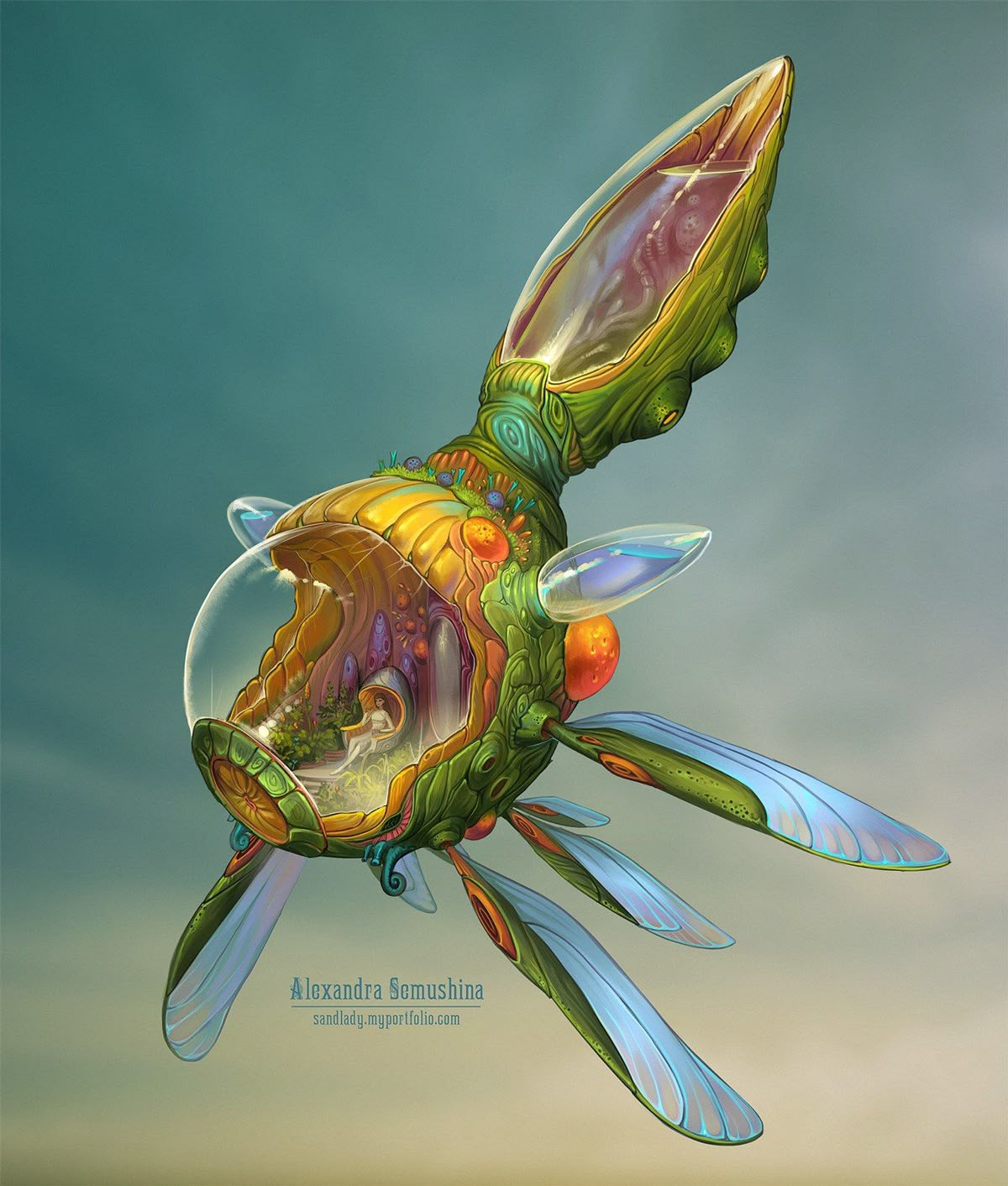
And I enjoyed very much what was done by Alexandra Semushina on her bio inspired vehicles collection:
-
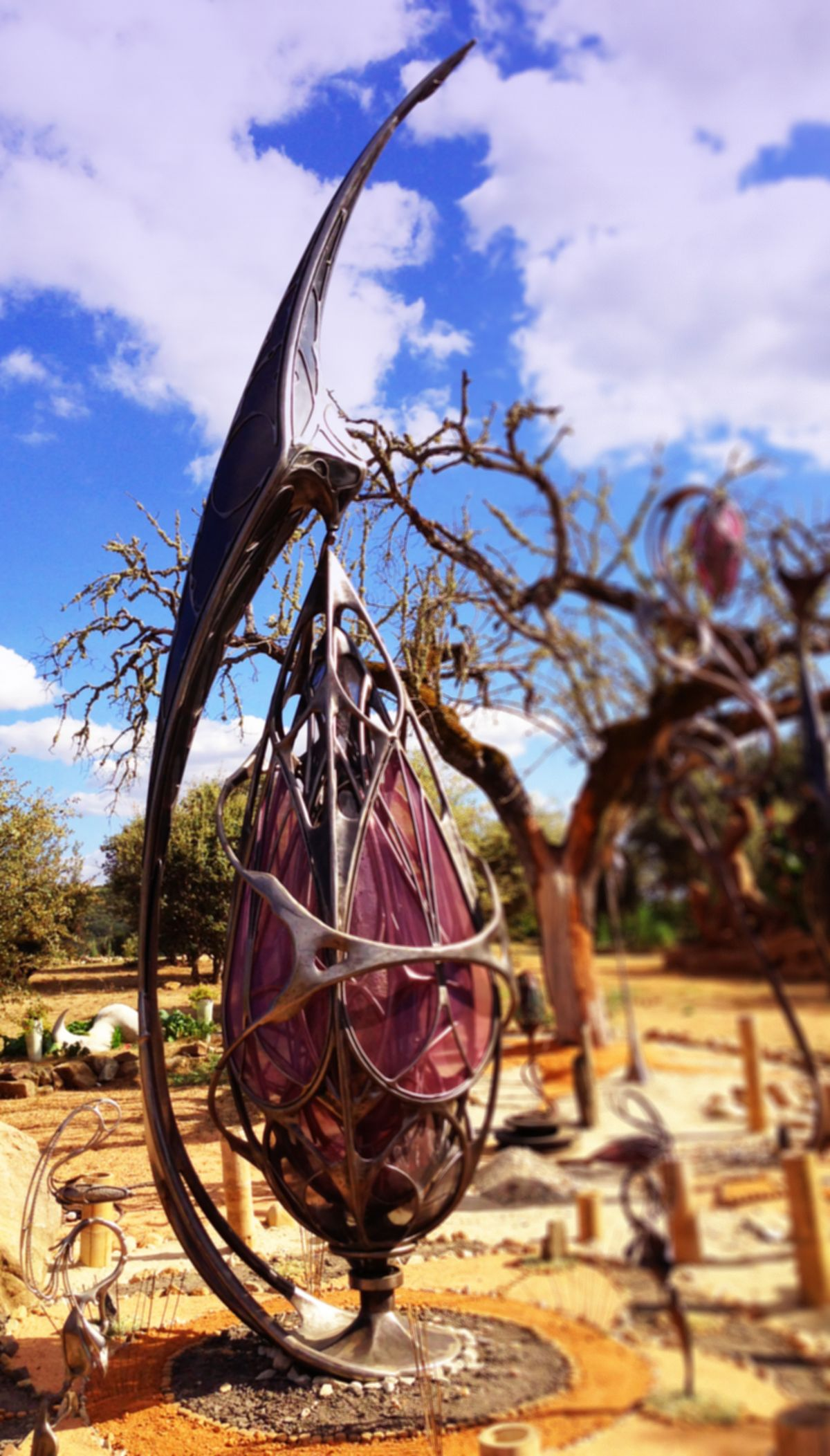
And I recently discovered the work of Patrice Hubert on metal that also convey much of the lines that I would desire to use on this:
- Some resulting drawings that I got replicating some of the results that I got on the original project:
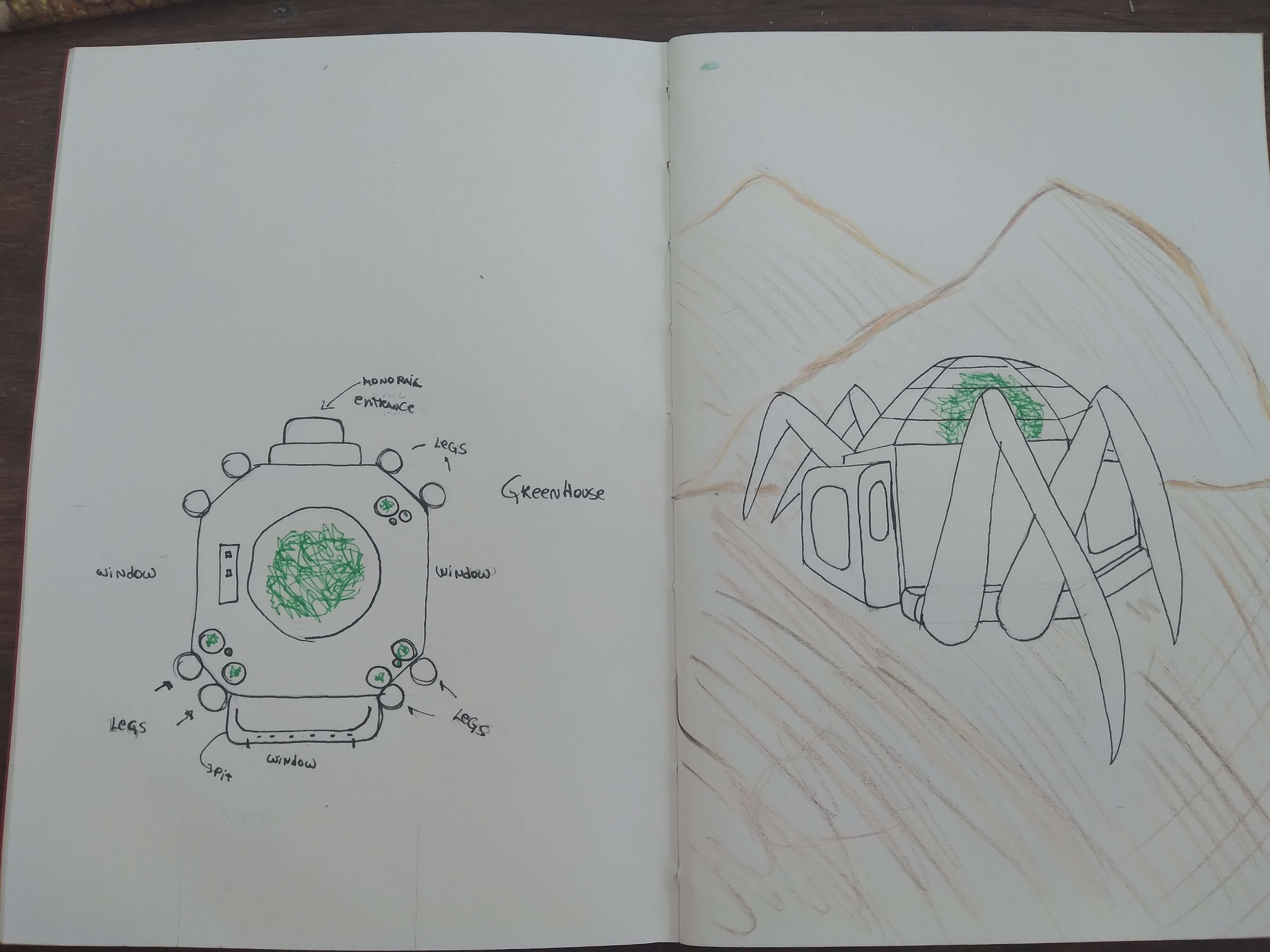
- Some resulting drawings that I got replicating some of the results that I got on the original project:
-
Can you describe the society and city’s theme?
- Its a mining city, should work like a well “oiled machine”, very well defined schedules. Only adults, since is more like a temporary working place than a “family space”.
-
What stories does this city tell?
- As all future fantasy theme I would like to talk about “what is a human”, but also “fear of the other” (prejudice).
- I also would love to talk about those rhythmic movements imposed by productivity.
- For now I’m thinking of a human settlement, but we know that is me not wanting to think about other species for now.
-
What Game is this city for?
- The original project was a third person 3D game. I had some NPCs created for each module, but not much of story arch on the whole environment.
-
What makes your city memorable?
- Each module is a gigantic spider and the others small bioinspired constructions
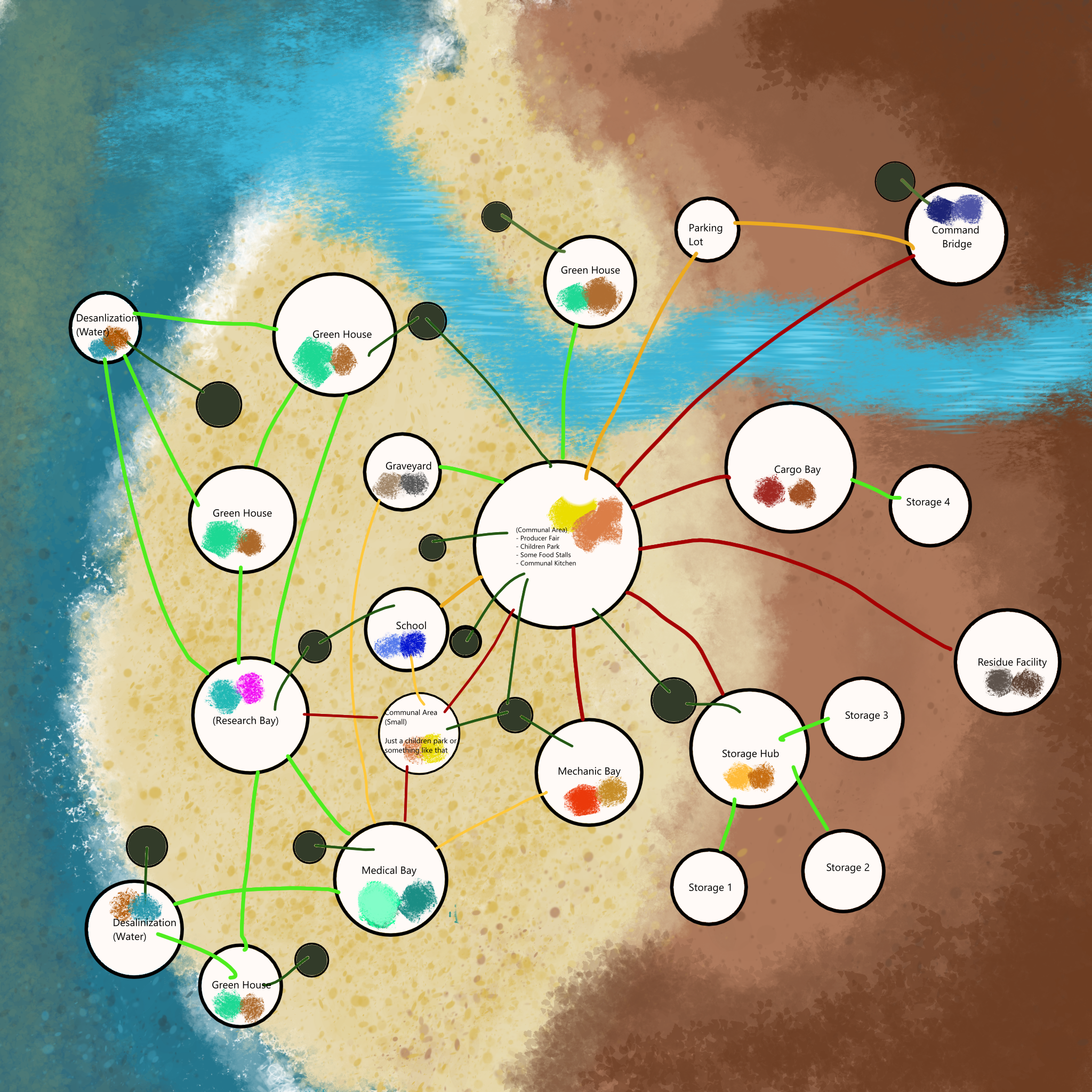
- What are the Points of Interest on those maps? See the concept drawing.
Expanding a City Concept with Metrics
Before I answer those questions I want to point out that the feedback from the last week made me rethink the structure of the city itself and I must correct some of the answers that I made last week so I could proceed this week:
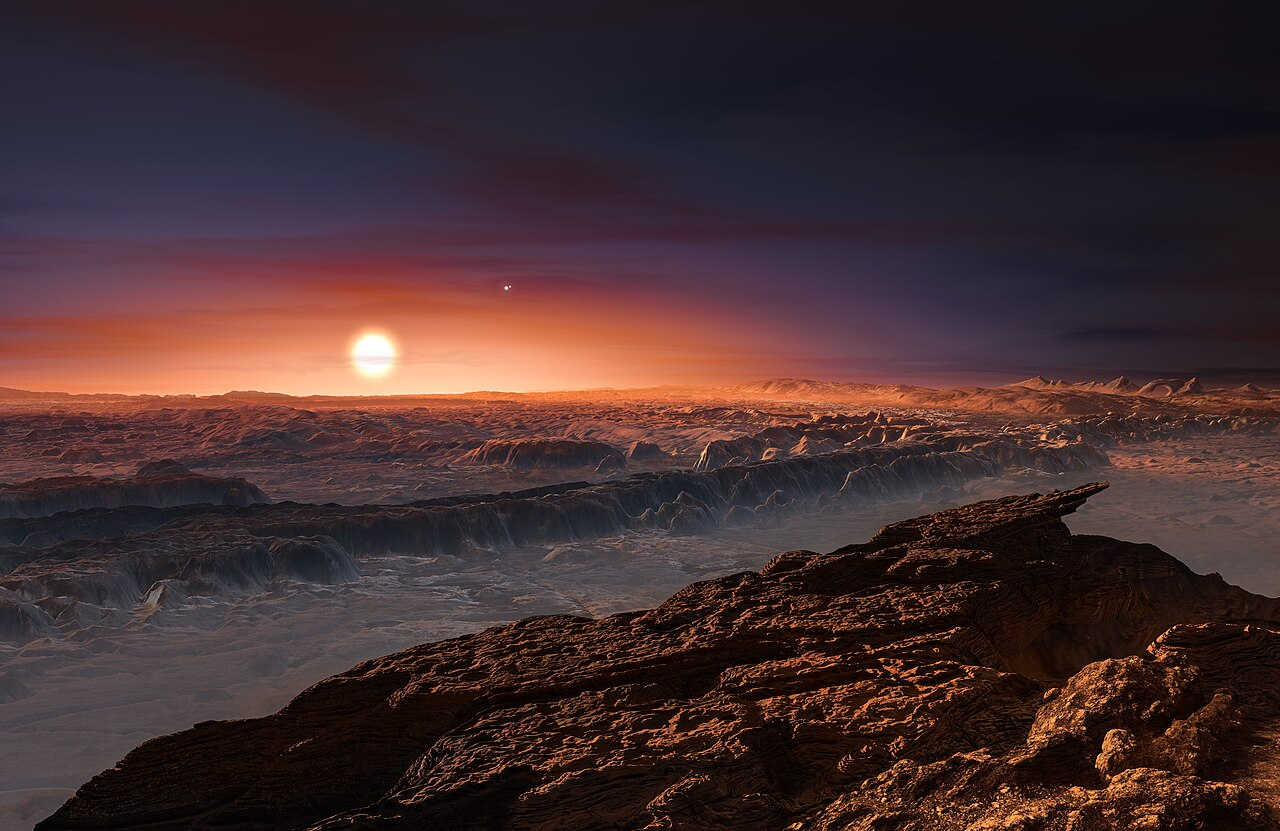
I did some research to see what kind of planets we could be exploring, and sadly we don’t have geography maps of outside Earth so I will pick some location that we know the geography to reference.
I’m thinking of using this planet, called Proxima Centauri B which is suspected that could sustain life (https://eyes.nasa.gov/apps/exo/#/planet/Proxima_Cen_b). They suspected that this planet could sustain some small moons, so that’s the reason that I’m choosing, for now.
Originally I wasn’t thinking much about children, since on my mind it was more closely related with a oil platform for extraction (the original proposal made by the other teacher was something like a Dead Space narrative of a new alien specie was found after a distress signal), where would it be a constant in and out of people, with the smaller spiders moving almost daily, but since at the moment I need less of a dystopia and more solarpunk or something on those lines… I updated the concept.
Provide the fundamental metrics for the city concept you created in Concept Civic. To do so please answer the following questions:
Coming for this week of work:
- How many people live in your city?
Yes, I’m still considering a very small village with around 500 people
* How many buildings (roughly) would it include?
- Those from the concept:
- 2 community areas (1 big + small)
- 1 Command Bridge
- 1 Cargo Bay
- 1 Storage Hub
- 4 ~ 6 storages (I’m considering that all the equipment necessary for the mining is mobile and belongs to one of the storages)
- 1 Mechanic Bay
- 1 Medical Bay
- 4 Green Houses
- 2 Desalinization Centers
- 1 Research Bay
- 1 School
- 1 Graveyard
- 14 Living Settlements
- 1 Parking lot (How should I call a place that receive space ships for transport?)
* What is the area of the city (roughly)?
I’m thinking on something like a 5km radius
- Can you estimate the radius of a circle that your city could fit in?
It varies depending on the setup of the village
* How long is its longest (traversable, in-game) road? Does it span the entire length of the city?
The worst case that I’m seeing on the map is from the bottom desalinization center settlement to the command bridge that are
* What is the average residential density of the city?
- Not much of a dense city, something like 5 ~ 7m
* What are the average building sizes / building type?
I’m using as reference some underground, circular houses that where made in the past by the Kaingang people (https://aquatru.blogspot.com/2016/12/casas-subterraneas-do-povo-kainkang.html). The Kaigangs are a indigenous people that lived on the South area of Brazil that built their houses by excavating the basaltic ground. They where semi agricultural people mostly living by fishing, hunting and gathering, making them not so mobile than other cultures that didn’t have those characteristics, and yet when necessary they moved. The circular aspect of their Ocas also made easy to do parallels.
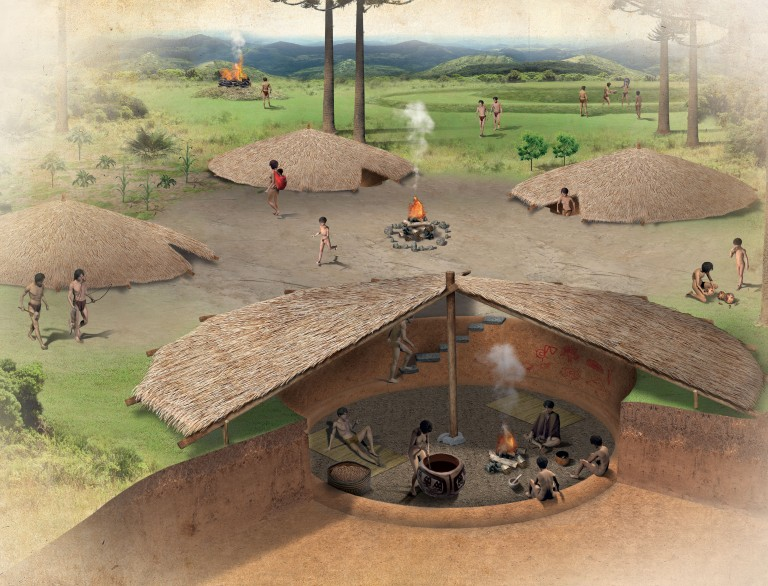
The dimensions that I found for those subterraneous houses varied between 1 ~ 6 meters of profundity and between 2 and 13 meters of diameter, notice that this metrics probably is not considering the roof that was added above the excavated area. My research on those got conflicting data, some affirm that on each Oca lived between 5 and 15 people others affirm between 30 ~ 50. I’m leaning on the first, even considering that here on the South we can get -5ºC or less, that’s too much body heat… So multiple families could share the same house.
I’m considering that we should add more functions on those smaller houses like bathrooms and a division between rooms, mobilia, maybe a communal kitchen, making those spiders bigger on diameter, and I like the idea of having multiple floors inside the those. So I’m considering something between 20 ~ 30 meters of diameter. I noticed that on general, when we are doing futuristic buildings, the celling is very high so I’m considering something with 3 ~ 4 meters for floor, making the center of the spiders something between 5 ~ 8 meters, depending if the spider has multiple floors . We should be keeping the same metrics of f 5 ~ 15 people living on the same spider
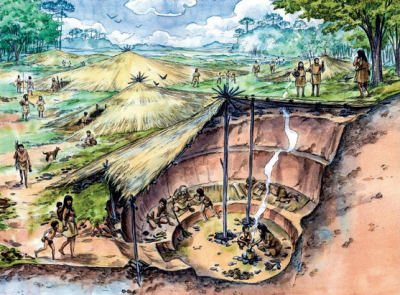
For the bigger Ocas, the ones not burried or cerimonial ones, normally they had around 10m and could have something between 30 people living on the same space. Considering that, I’m taking 40 ~ 60m on diameter for the small facilities (research, mecanic bay, storages…) and a 100m ~ 150m on diameter on the bigger ones (Community, cargo bay,)
Try and provide an explanation for your answers; how did you reach those numbers?
After you finish coming up with those numbers, try and decide how they would be represented within your game world. Can a supposed population of 15000 people be represented by 150 NPCs? How long would it take to traverse the longest road in-game, and how much would it need to be scaled down?
I think normally we could go with 1% of the total right? But since this village is too small, there’s many sectors (districts) I expect one person at least per area that are unique to be quest givers/receivers (12 ~ 20) and around 30 or 40 basic NPCs that can be generated procedurally
[Effectively every one of the questions will have two answers: one on the fictional level, and one on the in-game level.] ???
As a good practice on level design (specially considering physics) we should keep the measures some what similar with the ones on real life …
It is crucial to ensure that your answers are compatible with the urban concept created for Concept Civic. Whether a game is an open world or broken up in levels hugely impacts the sizes and scales modeled.
Deliverables: Answers to the seven questions above along with brief explanatory texts.
Deadline: March 17